Author: wilrens
-

LXX: It Was All Greek to Them
If you have ever used Bible reference works, you may well have come across these somewhat mysterious letters: LXX. (Hint: they have nothing to do with XXL.) If you have done a fair bit of Bible teaching, chances are that you have made reference to the Septuagint, the word behind LXX, in your lectures. I…
-
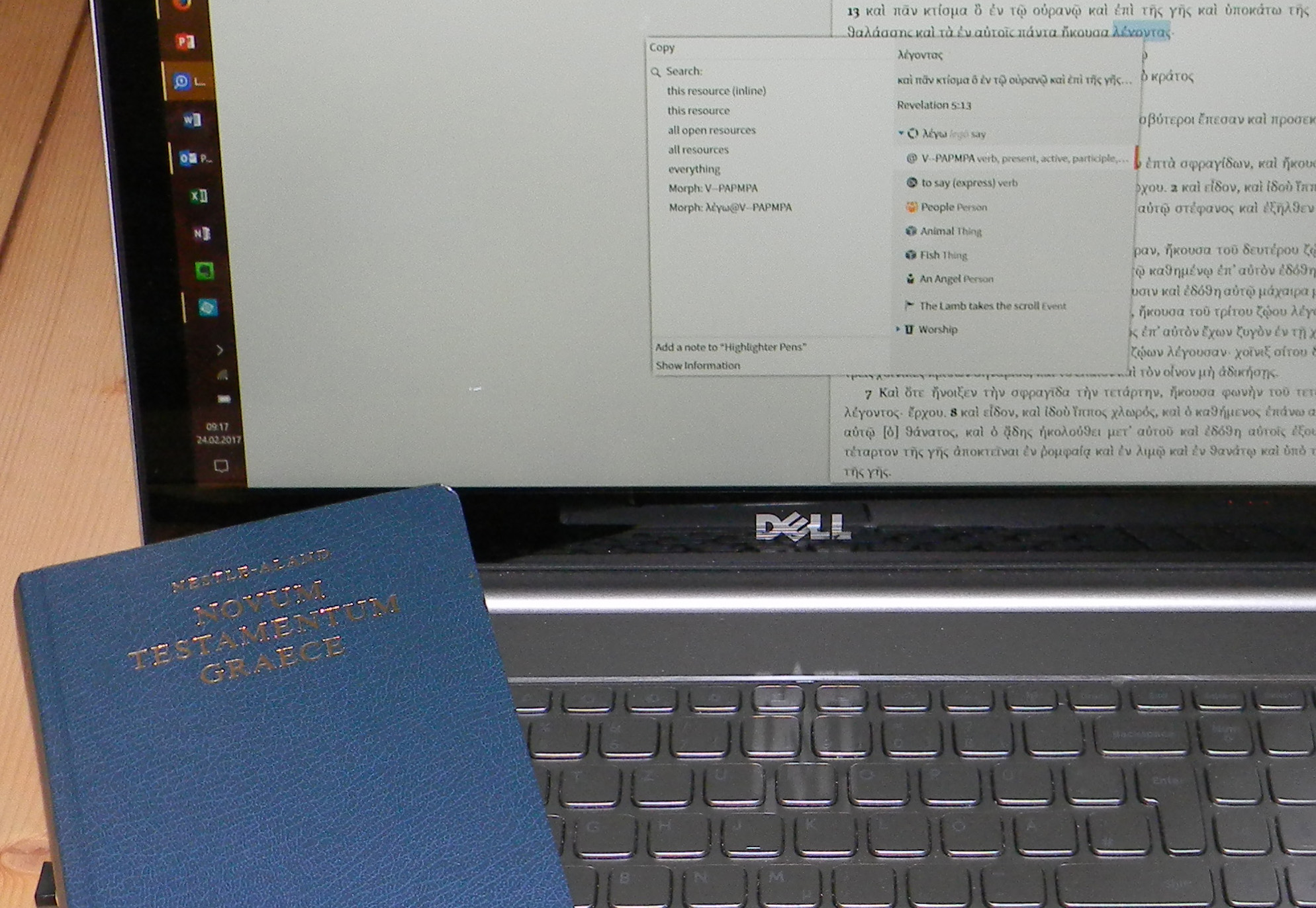
Reading the New Testament in Greek: What Was It Like?
Last year in February, I wrote about my intention to read the New Testament in Greek and report regularly on Tumblr and other social media on my progress. So how did I do? Well, life happened. To be more precise, we unexpectedly decided to buy a house and move, which made much of the…
-

How Do People Get Hungry?
The past few months, Franziska and I have been busy with our move. We are finally getting back to a more settled state, so from here on, I should be able to give more of my attention to Create a Learning Site again. For this month, I am taking the presentation I did during the…
-
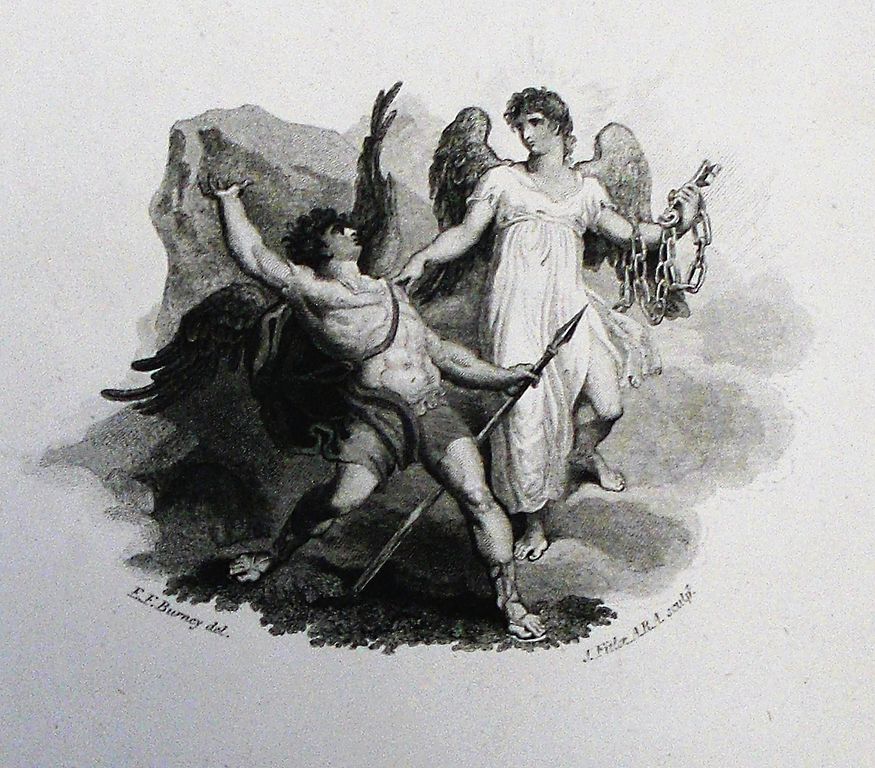
The Millennium Is… When?!? (“The Battle” and the Millennium II)
Shortly before the end of his book, John writes about “the battle” and the millennium. In the previous issue, I argued that these images may be more fluid and flexible than most readers recognize. “The battle” may be a reality (a confrontation) that runs throughout salvation history (therefore a “war” rather than a “battle”). In…
-
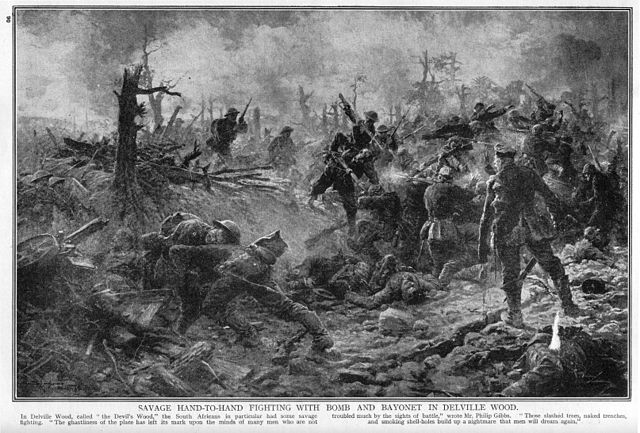
The War Is On: “The Battle” and the Millennium I
In my beginning years in the School of Biblical Studies I spent a lot of time studying and teaching subjects related to eschatology (or the end times). One of these was the millennium, a fancy term for the “thousand years” mentioned in Revelation 20. It has always struck me as odd that this brief passage,…
-

Ecclesiastes: What Am I Missing?
For a long time, I have had a nagging doubt about Ecclesiastes. It is a sense that I am missing something. Let’s face it, this is not an easy book. The question of authorship is an issue (was it Solomon?), but still more its content with its seemingly negative outlook on life and its tensions…
-

What Is Wrong with the SourceView Bible App?
Nothing. Everything. It all depends on how you use it. Okay, one step back: what is the SourceView Bible app? It is the app that builds on the SourceView Bible, produced by David Hamilton and available since 2011. Its unique feature is displaying the text in four colours, depending on the speaker or writer (the…
-
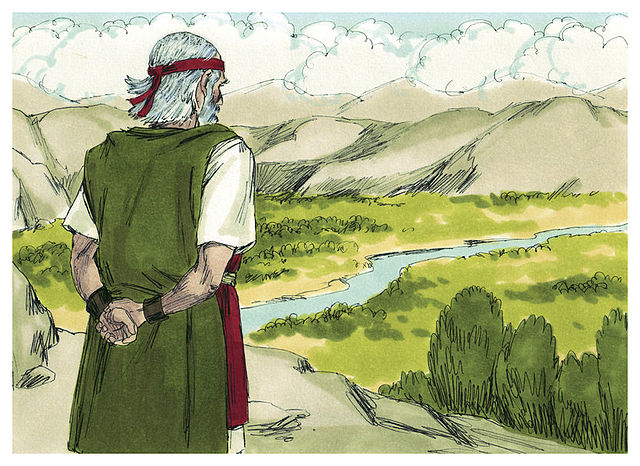
Giving Deuteronomy a Second Chance
I often get asked what my favourite book of the Bible is. The real answer is (it is not the one people want to hear): I don’t know. A number of books come to mind but which of these would be my favourite is hard to decide. Here is what I do know: Deuteronomy is…
-

What Does the Bible Say about Health?
This is the question I was asked by David and Catherine, the couple who is preparing the health track meetings that will be part of YWAM Together in Kansas City this year. As a result, this will be a premiere: this month, I am presenting the first topical study for Create a Learning Site. YWAM…
-
The Revised Toolbox
It is just over a year ago that I first published the Digital Toolbox with over 200 links to resources on the Internet for studying and teaching books of the Bible. With this issue, I am revisiting the toolbox. I have checked every link to make sure it still works and I have added a…
-

Invest in Romans (Get the DIY Guide)
I have often wondered how we can help individuals and small groups to explore a book of the Bible. To discover things for yourself (rather than simply being told by someone) is a key value in inductive Bible study. But this does not necessarily mean sending people off on a journey of discovery without any…
-

The Lost World of Genesis 1-11
I am shamelessly paraphrasing the title of a book by John Walton on Genesis 1, because it fits so well with the point I want to make in this issue. This point is: the world in which the early chapters of Genesis were written was very different from our world. Or more accurately, since it…
-

Ten TED Talks to Improve Your Public Speaking
And now, for something entirely different… I’d like to introduce you to your personal trainer in public speaking. Let’s face it: in order to effectively create a learning site for others, having good content is only half the job; a good presentation is equally important. In this issue, I turn to TED Talks as a…
-

What Is Glory? And What Does It Have to Do with the End Times?
Once upon a time, The Late Great Planet Earth was a highly successful book. It was the bestselling nonfiction book of the entire decade of the 1970s, with 35 million copies sold worldwide. Today, it is no longer relevant. If its author, Hal Lindsey, would have been right, the world would have ended 30 years…
-
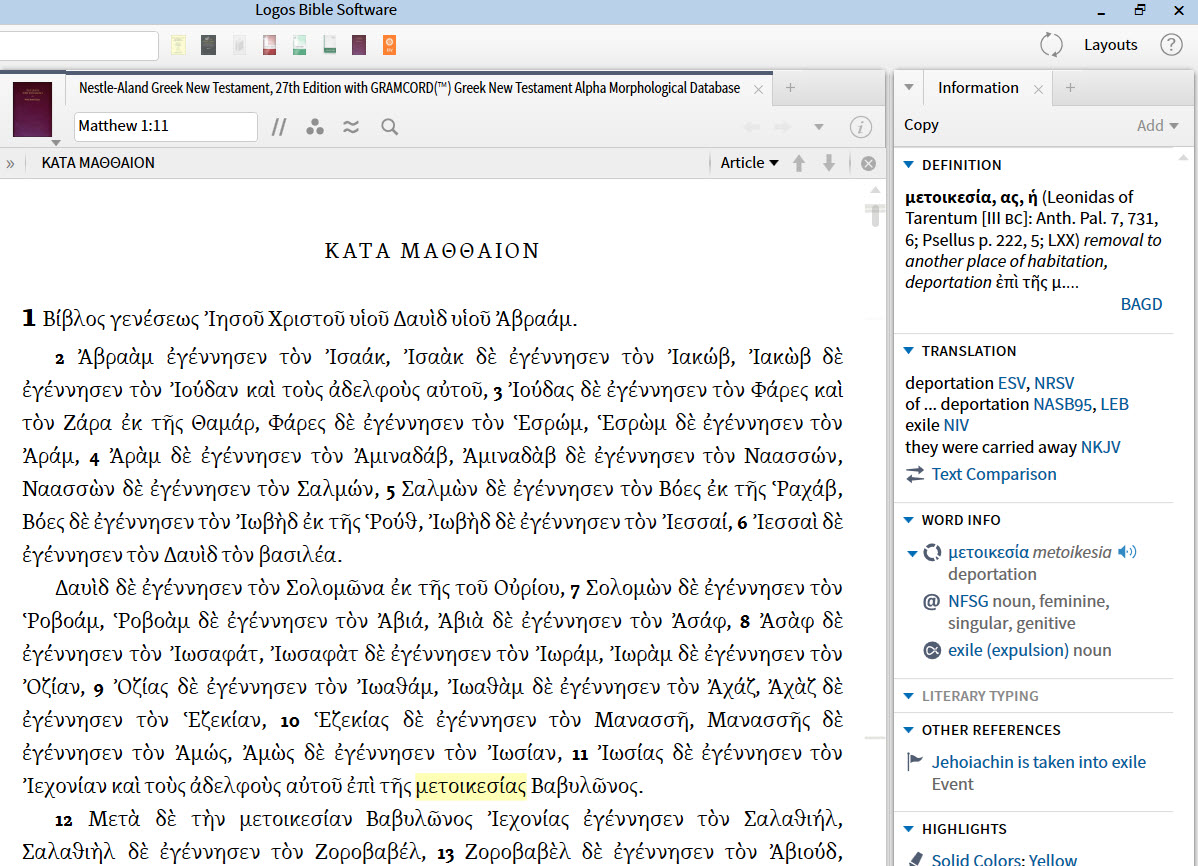
Special Project: Reading the Greek NT
Every once in a while my Bible reading starts to run dry. I am not getting much out of it anymore. I catch myself thinking the same things as the last time I read a particular passage. Often, when I reach this point, I am in a rut, and it is simply time to change…
-

End Bible Poverty Now, So Henrietta C. Mears Might Say Today
This is the post that almost did not get written. Henrietta Mears originally caught my attention when I found out she was a Sunday school teacher (or so I thought; turns out she was much more) who published a book with an introduction to each book in the Bible, and this book sold four million…
-
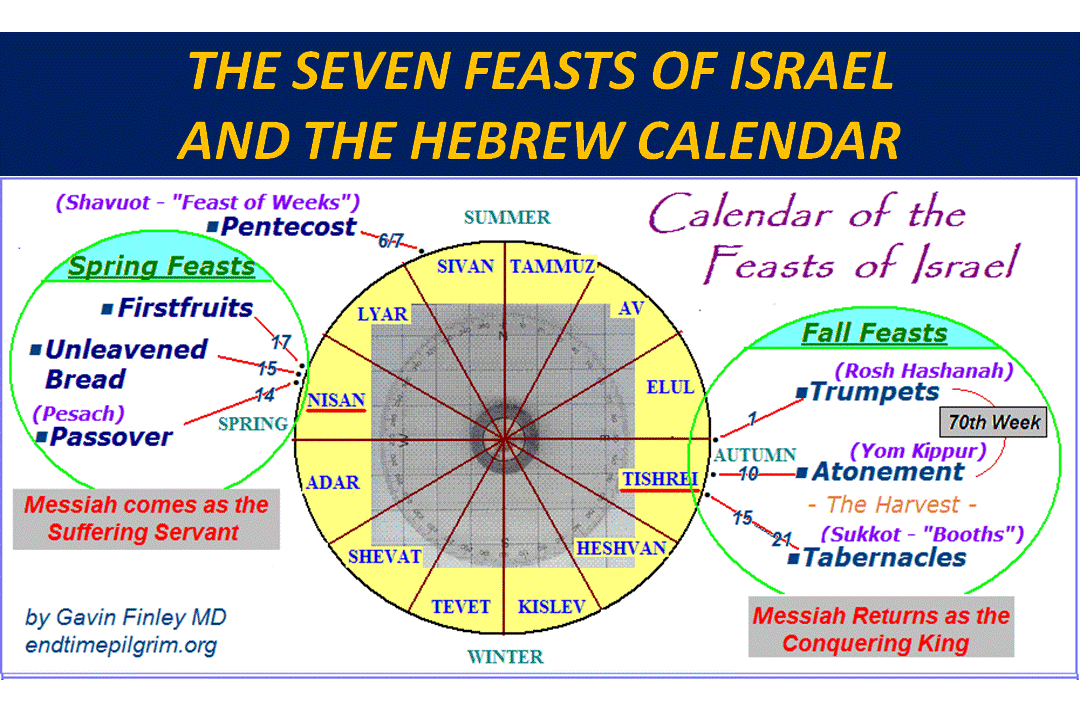
Do the Feasts of Israel Have Prophetic Significance?
While writing on blood moons for September of this year, I ran into an idea that I had heard before, but have not paid much attention to recently: the Old Testament feasts foretell in some detail the course of salvation history. More specifically: the spring feasts were fulfilled in Christ’s first coming; the fall feasts…
-
Paul in Three Words
Paul summarized in three words!? Generations of theologians have wrestled their brains out with Paul’s thought, and now we are able to summarize all of this in just three words? I don’t blame you if you are sceptical, but give N. T. Wright a chance: he thinks he can do it, even though it takes…
-
DIY Habakkuk
After the excitement of last month’s issue dealing with blood moons and other “cataclysmic” events, it’s time for something more down-to-earth. In a very real way, this issue is about the book of Habakkuk. At the same time, I am not going to tell you anything about it. This is a DIY, a do-it-yourself issue.…
-

Blood Moons Rising: The World Is About to End
We are finally going to get what so many of us have been eagerly awaiting: the end of the world. It is near, and this time it is for real. The harbinger of the apocalyptic mega-event is the fourth and last of an exceptional series of lunar eclipses, also called blood moons, which is to…
-
Seven Reasons to Read Leviticus
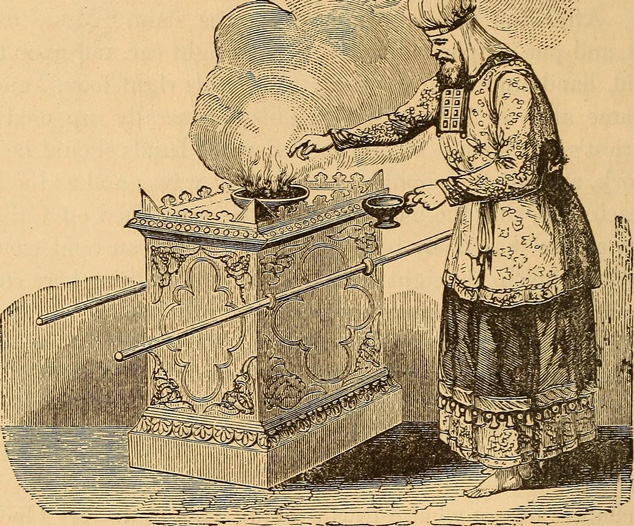
According to Torsten, a good friend with whom I worked in the School of Biblical Studies for many years, this is the most important book in the Pentateuch. I disagree, of course. My wife thinks it is Numbers; for this reason I did an earlier issue giving six reasons to read Numbers. If you ask…
-

How Ancient Rhetoric Helps Us to Understand the Bible Better (II)
For April of this year, I dedicated a post issue to the subject of socio-rhetorical criticism. One fascinating takeaway from that exercise was the realization that most NT letters are not really letters as much as they are speeches or discourses of various kinds. They had to be put in writing because their author could…
-
Get Your Digital Toolbox Now!
The blog post for this month is short. It merely serves to introduce the new eBook with links to internet resources and Bible software. This month’s content is to be found there, not in this post! The book in question is not a book to simply read; over 200 links to websites and other resources…
-

One Year Anniversary; Plus: Disentangling the Knot of 1 John
This issue of Create a Learning Site marks one year of blog post and training letter writing. The first post and letter, which wrestled with the cryptic second half of Zechariah, appeared on 5 May 2014. I have certainly enjoyed the study projects and the opportunity to learn and share what I am learning with…
-

A Fresh Look at Old Letters: Socio-Rhetorical Criticism
With this subject, I am taking you along on my own recent learning experience. Socio-rhetorical criticism is a relatively new approach in biblical studies, and I have taken some time to get to know it better. Admittedly, the term “criticism” is unfortunate, because of its negative connotation in everyday language. No such negative bias is…