Author: wilrens
-

The Challenge of James (I)
For this issue and the next, I take on the challenge of James. First, a general exploration, before I look at the unifying theme and coherence of its message (next time).
-

Deconstruct Your Faith: The New Trend?
What are we to make of ‘deconstructing faith’? Is ‘evangelical’ still a meaningful – or desirable – label? What can we do about young adults leaving the church?
-
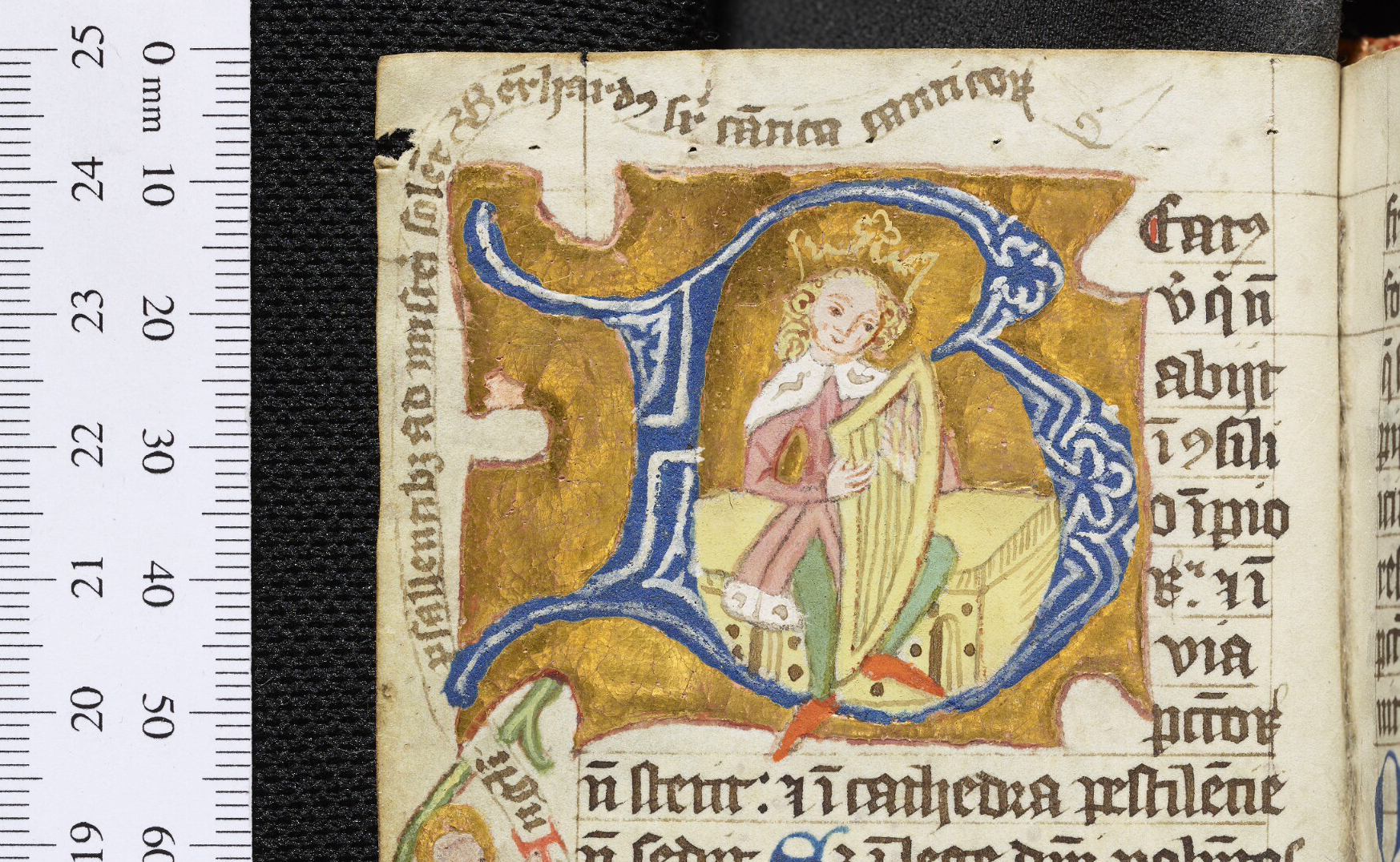
The Bible and Music; Plus: The Revised Toolbox!
James McGrath has published an unusual and innovative book, The Bible and Music. It uses the power of the World Wide Web by embedding links and videos in the text. Admittedly, you don’t have to be a genius to have that idea, but it is not often done. To top it all off, the book…
-

Samuel Once More: Realpolitik or Sermon on the Mount?
Samuel is still on my mind, reading it as a study on politics and war. What should our position be: Sermon on the Mount or Realpolitik?
-

Samuel: Great Stories, But What’s the Point?
The book of Samuel is filled with great stories. But what is the overall message of the book? Or is it just a collection of disparate stories?
-

Revelation: A Look at the Text (Part 2 of 2)
In this issue, I am presenting the final instalment (unit 12-17) of my teaching on the book of Revelation. We will be looking at Revelation 12-22. Last year, I published a general introduction as well as a more detailed look at the text of Revelation 1-11. I will include these 11 units in the overview…
-
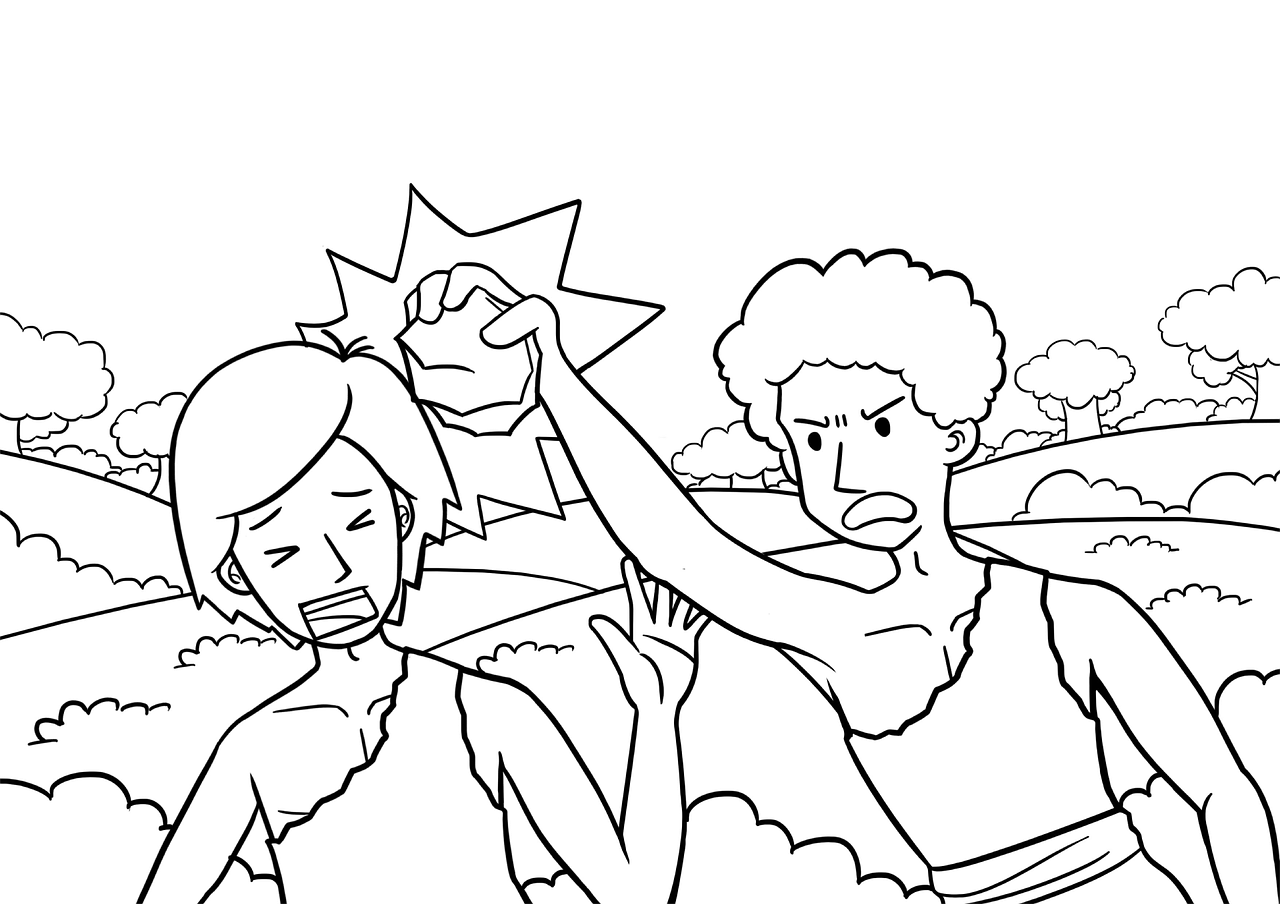
‘Original Sin’: Explaining the Inexplicable
It’s rare that you can prove a biblical truth through direct observation of human behaviour; here is one. But that doesn’t make it any easier to explain it. Second and final part.
-
Revelation: A Look at the Text (Part 1 of 2)
Building on the general introduction to Revelation, this is the first of twelve units looking at the text of a tough but marvellous book.
-

‘Original Sin’: The Conundrum We Cannot Do without
It’s rare that you can prove a biblical truth through direct observation of human behaviour; here is one. But that doesn’t make it any easier to explain it. First part of two.
-
Revelation: A General Introduction
Confused or disturbed by the book of Revelation (or just plain curious)? Watch or read this general introduction to the book! A section-by-section explanation of the text is to follow.
-

Terseness
One subject that is foundational if we want to understand the OT better is Hebrew poetry. It is a subject habitually covered in YWAM’s Bible courses, usually in connection with an introduction to the book of Psalms. However, much more of the OT is poetry than merely the Psalms or even the poetry and wisdom…
-

Titus: Structure and Genre
For the 100th time, a report from my learning journey. This issue: Titus – there is more than meets the eye at first sight!
-

Holy
Could you define the word holy? Explain it to someone who is a new believer? The word is like a butterfly: not easy to catch!
-
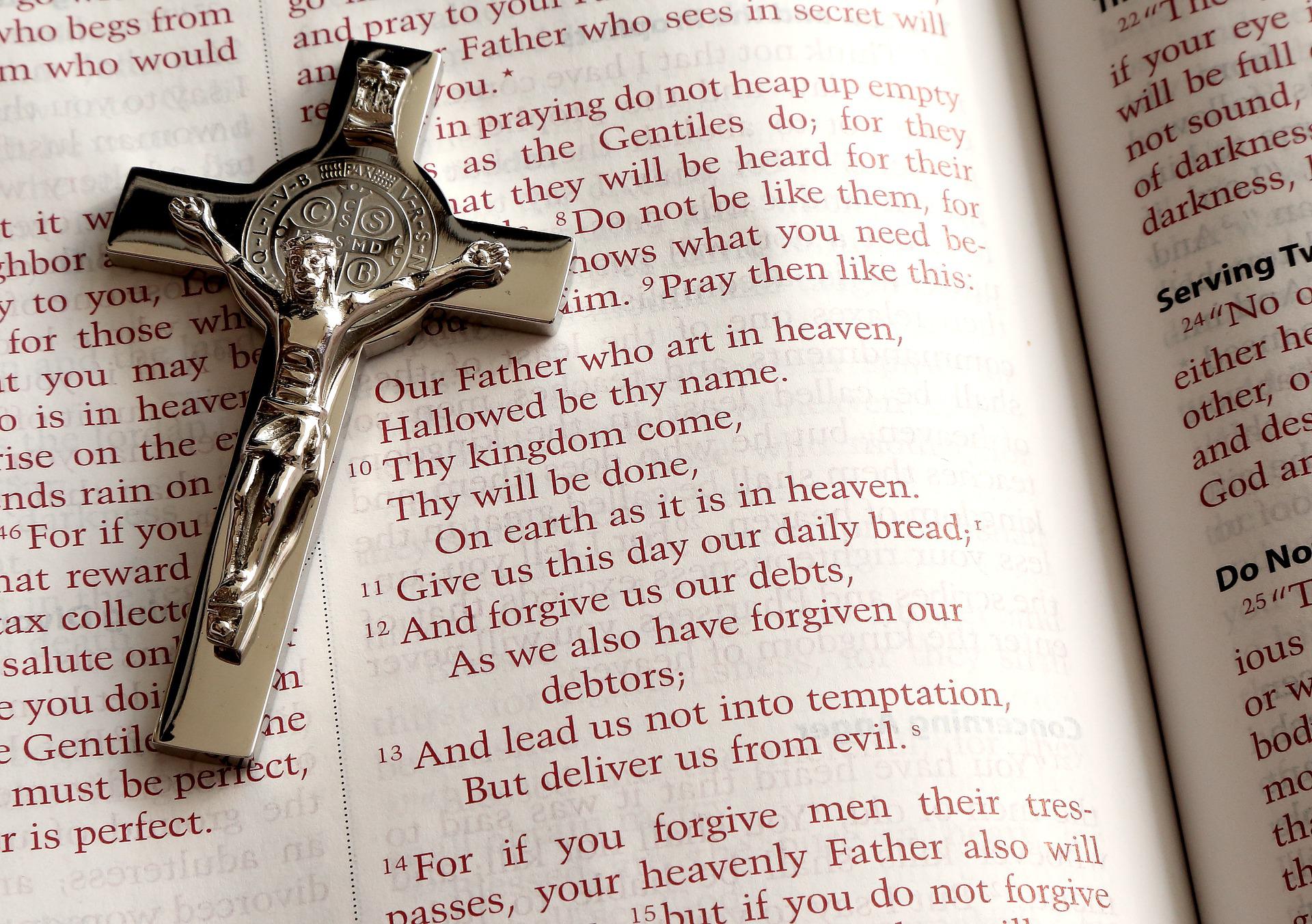
Our Father: A Lecture in Prayer
It is perhaps the most familiar passage in all of Scripture. But what does it mean? If we apply the three basic steps of inductive Bible study, it is amazing what we uncover.
-

The Two Gorillas of Atonement Theory
More than a year after I completed and published a three-part study of the atonement, here is what I think now: Penal Substitution (PS) needs substantial modification, but Christus Victor (CV; a brief explanation of these two will follow) cannot replace it. Instead of false dichotomies (either/or) and competition between explanations, we need an integrated…
-
Nahum: Vengeance and Retaliation?
What does an ancient prophet like Nahum have to say about what is happening in our world today? Do we need vengeance?
-

The Gospels and Acts: And the Type of Literature Is …
Not only are Luke and Acts by the same author (you guessed it: Luke), they are also two parts of one piece of writing. How does that change our view of Luke’s gospel?
-
Ezekiel’s Final Vision
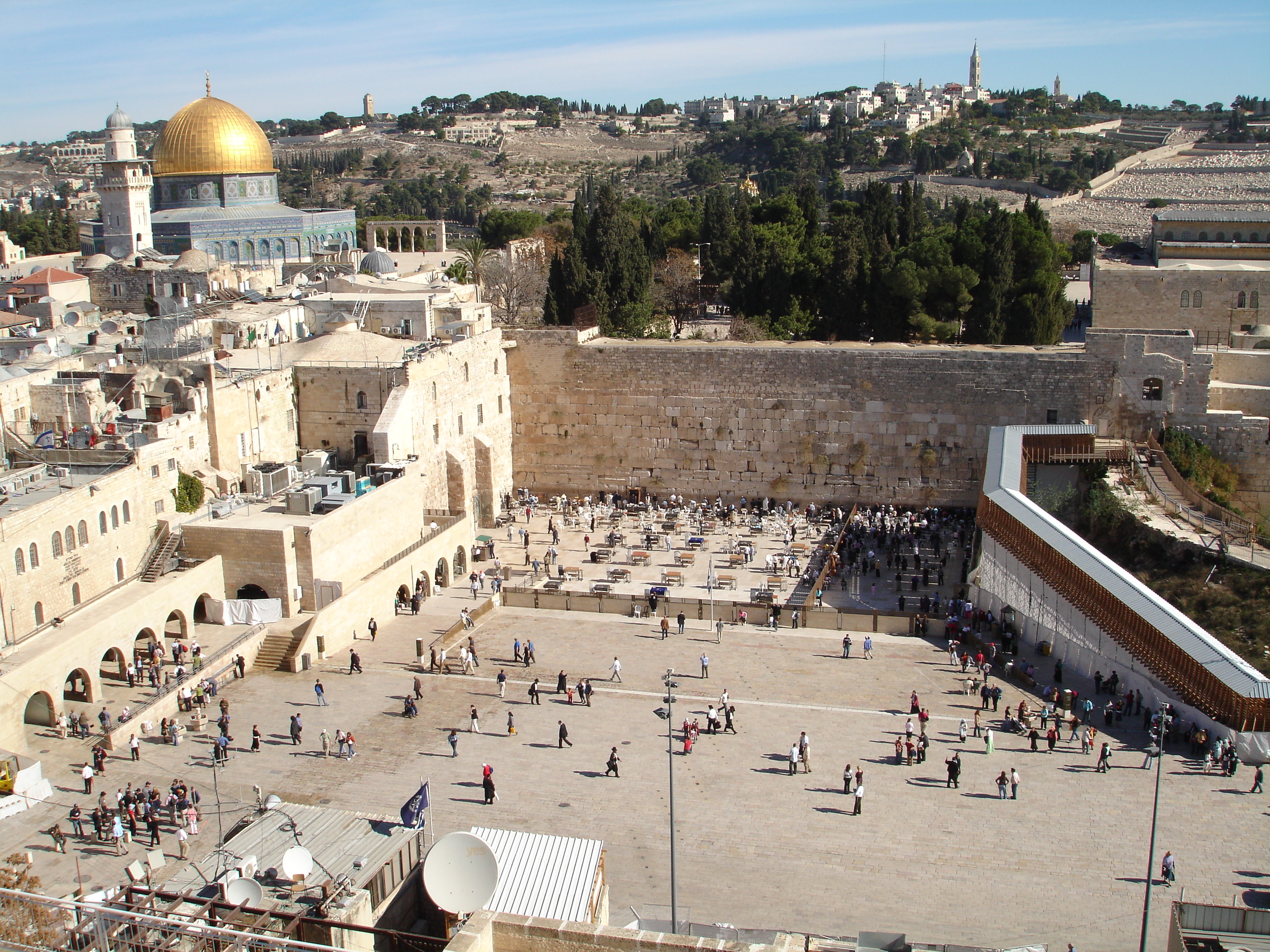
It is one of the strangest portions of the Old Testament: Ezekiel 40-48. 14 years into the exile, after 12 years of silence, Ezekiel received one more vision. There would be one additional, short prophetic word two years later (Ezek. 29:17-21). However, the vision is far more extensive (nine chapters) and is placed at the…
-

Hebrews: A Masterpiece of Language & Eloquence
Hebrews comes with an unusually large vocabulary and outstanding rhetoric – all plugs pulled to celebrated the superiority of Jesus.
-
-

Water and the Feast of Tabernacles
What does water have to do with the feast of booths or tabernacles, those seven days in which devout Jewish people live in huts in remembrance of their desert wanderings?
-

Tabernacle Furniture: What Does It Mean?
Most of the furnishings of the tabernacle are not hard to understand. But what is the meaning of the lampstand and of the so-called showbread or ‘bread of the presence’?
-
How to Teach the Prophets
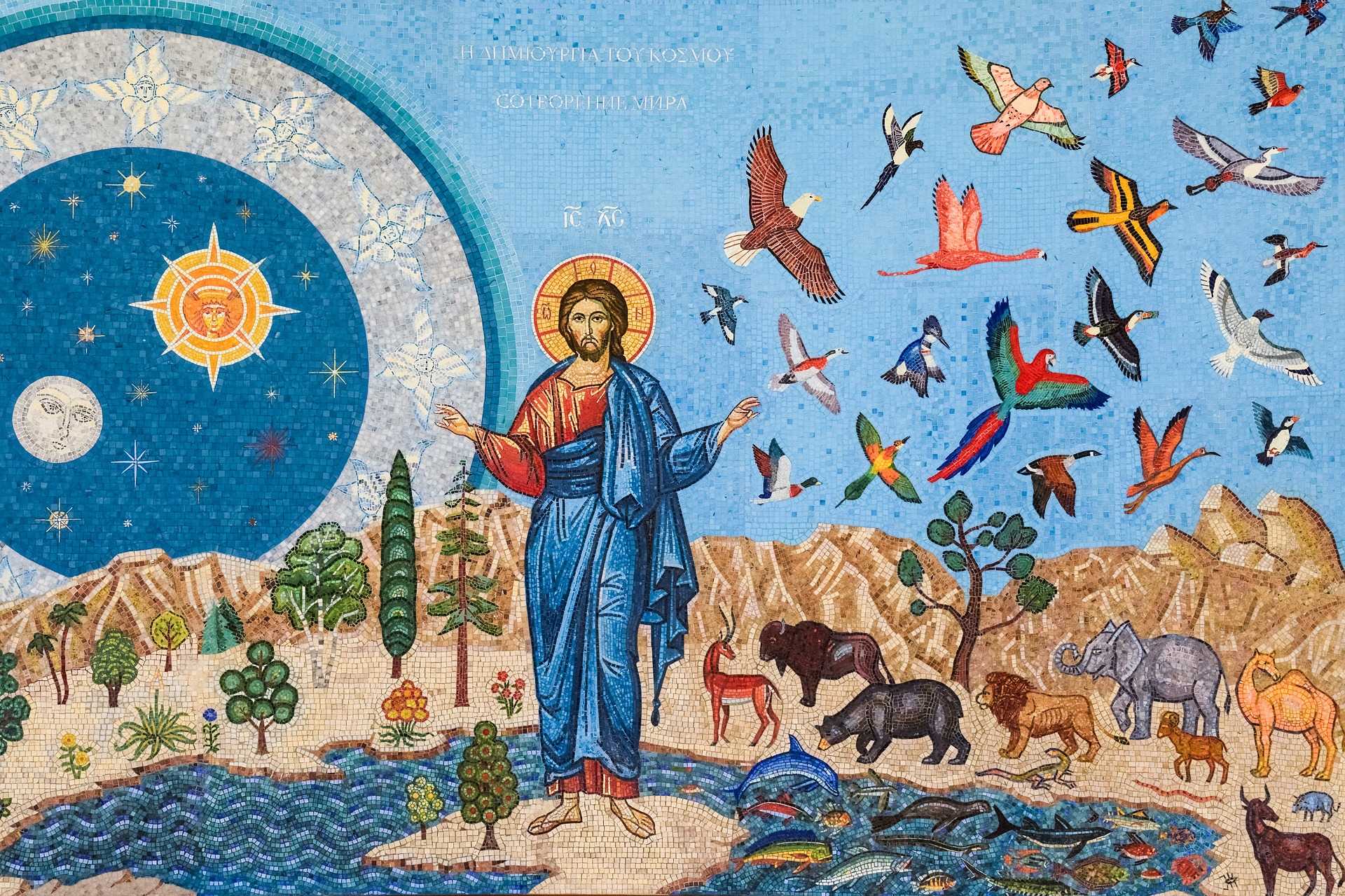
To summarize the message of the prophets in two words – is that possible? I think so. It takes two short Hebrew words, one of which I am sure you know. It also needs an additional concept. And, okay, maybe a third word. But then we capture the heart of the matter. You can also…
-

Leviathan & Co.: More Canaanite Mythology in the Hebrew Bible
In this third (and final) look at Canaanite beliefs, we meet a strange array of monsters, such as Leviathan. They also make an appearance in the Hebrew Bible. What do we make of this and of the claim that God, too, had to do battle with creatures like these?
-
Nebuchadnezzar’s Babylon
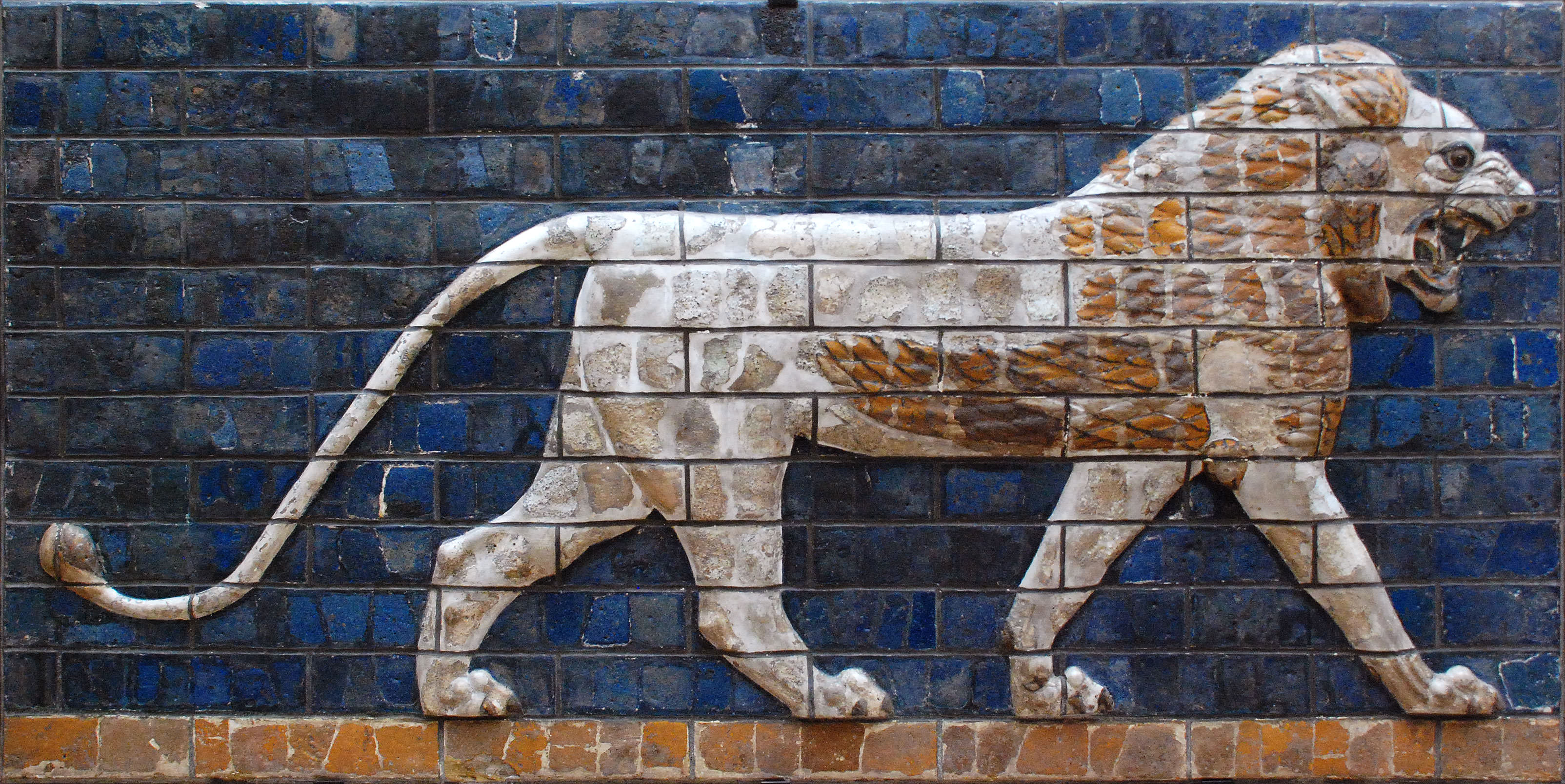
How great was Babylon the Great? A brand-new book with awesome illustrations gives us a taste. Have a look! (And download the book at www.zaphon.de.)